Concrete driveways on the Mornington Peninsula
Updated October 2026
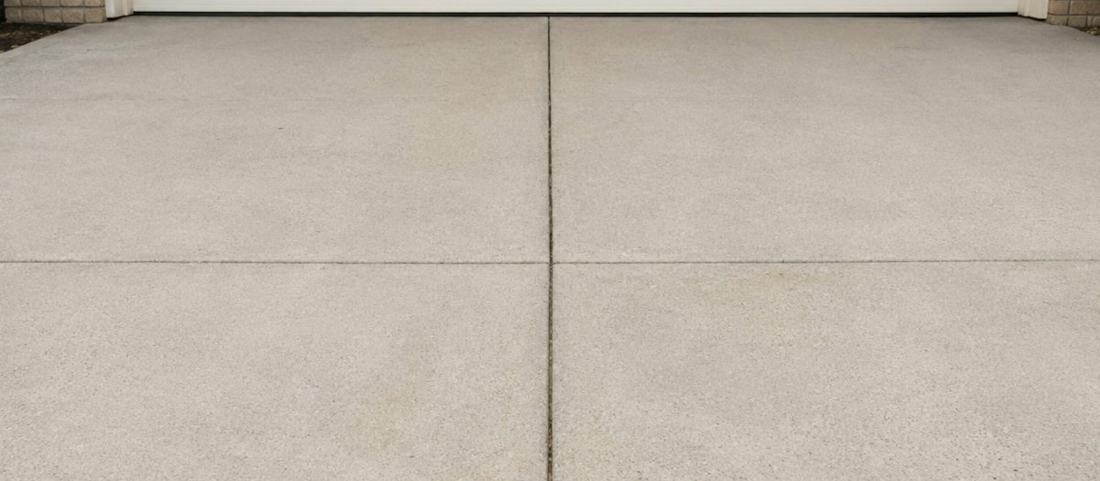
A new concrete driveway is one of the most practical upgrades you can make to a Peninsula home. It lifts street appeal, handles daily traffic for decades and suits everything from a flat estate block in Somerville to a steep run climbing away from the road at McCrae. We connect you with experienced, insured local concreters who quote and do the work. We are a referral service, not a concreting business, so you get matched with a contractor suited to your job.
What a concrete driveway costs on the Peninsula
Guide pricing only. Every site is different. Across Australia in 2026, plain broom-finish concrete typically runs about $75 to $150 per square metre laid, with exposed aggregate around $120 to $220 and coloured concrete around $95 to $200. For a typical 60 square metre driveway, published estimates run roughly $5,400 to $13,200 fully installed, and a council vehicle crossing can add more on top. Removing an old driveway first usually adds around $30 to $100 per square metre. Acreage driveways are priced on total area and access rather than any headline rate.
The only way to get a real number for your block is a site visit and a written quote. Get a fast quote and we will connect you with local contractors.
How a driveway pour works
Most residential driveways on the Peninsula follow the same sequence.
1. Excavation and removal of the old surface or lawn
2. A compacted road base or crushed rock sub-base
3. Formwork to set the shape, falls and edges
4. Steel mesh reinforcement, usually SL72 or heavier for driveways
5. The pour, screeding and finishing
6. Curing, then saw-cut or tooled control joints
7. Sealing, especially for coloured and exposed aggregate finishes
Keep cars off a new driveway for about seven days. Concrete keeps gaining strength for around 28 days.
Finish options for Peninsula driveways
Plain grey with a broom finish is the budget workhorse and the usual choice for long acreage runs. Coloured concrete adds through-colour oxide for charcoal, sandstone and limestone tones that suit new estate homes as well as older beach houses. Exposed aggregate shows decorative stone and gives extra grip on sloped driveways, which is why it is so common on the coastal hillsides. Stencilled and stamped finishes are also available from some contractors.
Council approval and the crossover
The driveway on your own land generally does not need approval when it is a like-for-like replacement, but the section between your boundary and the kerb is council land. A vehicle crossing approval is usually needed for that strip, built to Mornington Peninsula Shire Council's specification. On rural roads, the crossing often has to include a culvert sized for the table drain, which is a genuine cost line on acreage jobs. A good local concreter will walk you through it.
Registration, permits and insurance
Building work in Victoria is regulated by the Victorian Building Authority and by councils, and whether your job needs registration, a permit or both depends on its type, size and location. Our referral service connects you with experienced, insured contractors who confirm what your job needs before quoting. Ask for that in writing, along with the contractor's details, before you sign anything.
Site factors that move the price
- Slope. Blocks that fall or climb hard at Mount Martha, McCrae and Arthurs Seat often need a concrete pump because the truck cannot reach the pour. Pump hire adds to the quote.
- Length. Acreage driveways at Main Ridge, Red Hill and Moorooduc can run a long way from the road, so area drives the total.
- Access. Narrow sandy tracks, tea-tree overhang and tight holiday-home frontages slow the job down.
- Demolition. Breaking out and tipping an old concrete driveway is a real cost line.
- Coastal exposure. Salt spray at Portsea and Blairgowrie favours a sealed finish and quality mix design.
- Ground. Loose dune sand near the coast needs thorough compaction, and the heavier clay loams on the Western Port side need good jointing so seasonal movement does not crack the slab.
- Size and shape. Long straight runs price better per square metre than small cut-up areas.
New estates around Mornington, Somerville and Hastings mean plenty of first driveways are going in on bare blocks, so local contractors know the crossing requirements well.
Weather and timing
Concrete pours best in mild, dry conditions. Summer heat makes the surface set fast and can stress the finish, so contractors often pour early in the morning. Rain within the first day can damage the surface, which is why pour dates sometimes move at short notice, and the Peninsula gets weather off Bass Strait that is not always in the forecast. A contractor who delays for weather is protecting your job.
How long a concrete driveway lasts
A properly built and jointed concrete driveway commonly lasts 25 to 40 years or more. Resealing decorative finishes every few years keeps colour and stone looking fresh. If your existing driveway is cracked or sunken, see our concrete repairs page before committing to a full replacement.
Ready to compare prices from local concreters? Get a fast quote.
Frequently asked questions
How long before I can drive on a new driveway?
Most contractors ask you to stay off it with vehicles for about seven days. Foot traffic is usually fine after 24 to 48 hours. Heavy vehicles should wait longer.
Do I need council approval for a new driveway?
Often not for the section on your own land, but the kerb-to-boundary crossing usually needs approval from Mornington Peninsula Shire Council. On rural roads a culvert may be required as part of the crossing.
What thickness should a residential driveway be?
Around 100mm with steel mesh is typical for cars. Driveways carrying trailers, boats, horse floats or heavier vehicles are often poured at 125mm to 150mm. Your contractor will confirm after seeing the site and the ground.
Is exposed aggregate worth the extra cost on a sloped driveway?
Many owners on the coastal hillsides think so. The textured stone surface gives better grip in the wet than a steel-trowelled finish, which matters on steep blocks at Mount Martha, McCrae and Arthurs Seat.